
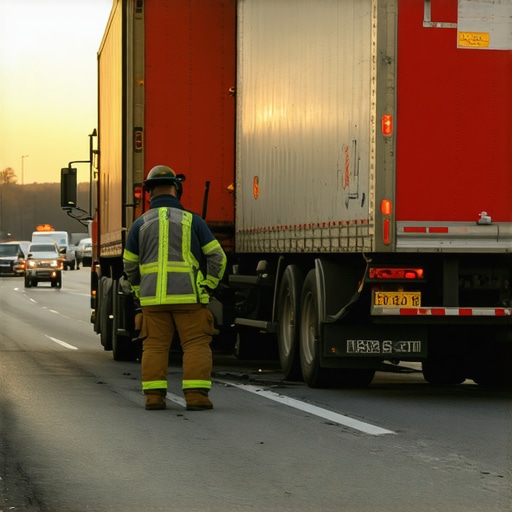
All westbound lanes along a section of Hull Street Road in Chesterfield County have been shut down following a traffic collision involving a tractor-trailer early Friday morning. The incident, reported by the Virginia Department of Transportation around 9 a.m., occurred near the intersection with World War II Veterans Memorial Highway, causing significant travel delays in the area.
Authorities confirmed that the crash has resulted in the closure of all westbound lanes, prompting drivers to seek alternative routes and expect congestion. Emergency services responded promptly to the scene, and initial reports indicate that the situation is being managed by Chesterfield County Fire and EMS personnel.
The extent of the damage or any injuries sustained in the crash has not yet been disclosed, but the scene remains active as investigations continue. Motorists are advised to monitor traffic updates and consider alternate routes to avoid the affected stretch of road.
For real-time traffic information and updates on this incident, travelers are encouraged to visit the Virginia Department of Transportation’s traffic monitoring website.
Wow, that’s a major disruption on Hull Street Road. I live nearby and usually use that route during my morning commute, so I know how frustrating it can be when unexpected accidents cause such delays. From what I’ve seen in similar situations, it’s always a challenge managing the traffic rerouting efficiently, especially with a large vehicle like a tractor-trailer involved. I wonder if the incident was due to weather conditions or driver fatigue? Sometimes these factors play a bigger role than we realize. Has anyone found effective alternative routes during these kinds of closures? I’d love to hear others’ experiences or tips on navigating around Chesterfield County during busy times like this. It’s reassuring that emergency crews responded quickly, but it’s also a reminder of how important safety measures are on busy roads. Hopefully, no one was seriously injured, and the cleanup can proceed smoothly so traffic can reopen soon.
The incident on Hull Street Road highlights how fragile traffic flow can be during unexpected crashes involving large vehicles like tractor-trailers. From my own experience living nearby, I’ve noticed that when such closures happen, local residents often quickly turn to apps like Waze or Google Maps to find alternative routes, although sometimes those solutions still lead to heavier congestion in surrounding neighborhoods. It’s impressive how emergency services managed the scene swiftly, but I wonder if there are protocols in place to clear such accidents faster or to more effectively inform drivers in real-time. Does anyone know whether Chesterfield County has a specific plan to handle these kinds of traffic disruptions and ensure safer, quicker clearance? I’d be curious to hear what strategies others have found helpful, especially during peak hours or when multiple routes are affected. Hopefully, the investigation wraps up soon and normal traffic flow can resume without too much inconvenience.
This accident on Hull Street Road underscores the importance of having clear communication and effective rerouting plans in place. Living in Chesterfield myself, I’ve experienced similar delays and found that relying on local traffic apps and continually updated GPS can make a real difference during such closures. I’m curious if Chesterfield County has improved its incident response strategies or traffic management since previous disruptions. Additionally, with the severity of large-vehicle accidents, I wonder whether more preventive measures, like better driver training or stricter regulations for trucks, could help reduce the occurrence of such incidents. It’s also critical for authorities to keep the public well-informed in real-time so that drivers can make smarter decisions instead of getting stuck in congestion. Has anyone here noticed improvements in how these situations are handled lately? Or maybe some effective tips for minimizing the inconvenience during these unexpected road closures?
This recent incident on Hull Street Road really emphasizes how crucial quick response times and effective traffic management are during large vehicle accidents. When roads like that suddenly close, it not only impacts daily commuters but also raises questions about whether existing protocols are enough to handle such disruptions efficiently. In my experience, having dedicated emergency lanes and real-time traffic updates can make a significant difference in reducing congestion. I’m curious if Chesterfield County has implemented any new strategies or technology to improve their incident response since previous incidents. Additionally, I wonder if better driver training or stricter regulations for tractor-trailers could help prevent such accidents altogether. Has anyone noticed improvements in how Chesterfield manages these types of traffic disruptions? Or do others have suggestions on additional measures that could speed up clearance times and keep motorists better informed? Understanding these aspects could really help us all navigate similar situations more smoothly in the future.
The recent closure of all westbound lanes on Hull Street Road due to the tractor-trailer accident really highlights the importance of swift response and efficient traffic rerouting in Chesterfield County. In my own experience, timely updates through local traffic apps and quick deployment of emergency services can significantly reduce congestion and prevent further accidents. I’ve noticed that Chesterfield has been investing in better real-time information systems, but there’s always room for improvement, especially with large incidents like this. I wonder if the county has plans to implement dedicated lanes for emergency responders or enhanced warning systems to alert drivers immediately? Additionally, better driver education for truck operators might help prevent such collisions. It makes me curious—has anyone experienced improvements in traffic management during recent incidents, or do you think more proactive measures are needed to prevent lengthy closures and keep traffic flowing smoothly? It’s crucial for authorities to keep the public informed in real time, so drivers can make better decisions and avoid getting stuck in congestion.
This recent incident on Hull Street Road really underscores the importance of efficient traffic management and rapid emergency response to minimize disruptions. From my own experience living nearby, I’ve noticed that Chesterfield has been making strides in improving their incident response times and updating traffic rerouting plans. However, large accidents involving tractor-trailers often pose significant challenges, especially when they cause full lane closures like this one. I wonder if there are newer technologies or protocols the county could adopt, such as smarter traffic sensors or preemptive warning systems, to alert drivers earlier and facilitate quicker scene clearance. Additionally, better driver training for truck operators might help prevent some of these crashes. Has anyone observed any recent improvements or initiatives from Chesterfield that are making a tangible difference in these situations? Overall, while quick emergency response is crucial, a combination of proactive measures and real-time communications could really help reduce the length and impact of such closures.
This incident on Hull Street Road really brings to light how crucial it is to have efficient traffic management and quick emergency response times, especially when dealing with large vehicles like tractor-trailers. From my experience, the major challenge isn’t just clearing the scene, but also keeping drivers informed so they can choose alternative routes before getting stuck in congested areas. Chesterfield seems to be making good progress with traffic updates, but I wonder if implementing more advanced detection systems or automated warning signs could help reduce the response time even further. Have the local authorities considered adopting smart traffic technologies that can preemptively alert drivers about closures? Also, better driver training for truck operators, emphasizing accident prevention, could definitely lower the chances of such disruptions. What additional strategies do others think could be effective in minimizing the impact of future incidents like this? It’s vital that we find ways to balance safety, efficiency, and public awareness to keep traffic flowing smoothly during emergencies.
The incident on Hull Street Road really highlights how crucial quick response times and effective traffic management are during major vehicle accidents. I’ve noticed in my own experience that coordinated efforts between emergency services and traffic authorities can significantly reduce the overall impact, but there’s always room for improvement. For example, implementing smarter traffic sensors or automated warning signs could give drivers real-time alerts, helping them make safer and quicker decisions to avoid congested areas. Also, it might be beneficial for Chesterfield to review their protocols for incident scene clearance, especially involving large trucks, as these accidents tend to cause long delays if not handled efficiently from the start. I wonder if they have any new strategies or tech upgrades planned to enhance their response capabilities. Has anyone seen tangible improvements with Chesterfield’s recent efforts, or alternative approaches from neighboring jurisdictions that work well? My concern is always how to keep traffic flowing smoothly without compromising safety, especially in busy corridors like Hull Street Road.
Reading about this tractor-trailer accident on Hull Street Road reminds me how critical it is for local authorities to continue investing in smart traffic management systems. The quick response of emergency services is commendable, but I wonder if Chesterfield County has looked into more predictive technologies that could prevent such incidents or at least reduce their impact. For example, real-time traffic sensors and automated warning systems could alert drivers immediately about closures and suggest alternate routes before congestion worsens. Personal experience has shown me that these tools greatly improve traffic flow and safety during emergencies. Additionally, increasing driver training for truck operators, especially around blind spots and handling in difficult conditions, might reduce the likelihood of accidents involving large vehicles. What plans do other communities have that successfully minimize highway closures after similar incidents? It seems clear that a combination of proactive tech solutions and better driver education can make a real difference in managing traffic disruptions more efficiently.
This accident on Hull Street Road really emphasizes how critical quick response times and effective traffic management are during large vehicle accidents. Living nearby, I’ve noticed that Chesterfield has been investing more in real-time traffic updates and faster emergency response protocols. However, incidents involving tractor-trailers still cause significant delays, especially when multiple lanes are closed for an extended period. From my experience, having dedicated emergency lanes or better pre-incident warning systems could make a huge difference in reducing congestion and ensuring quicker clearance. I’m curious whether Chesterfield has considered implementing smarter traffic sensors or automated alert systems that notify drivers about closures before they get stuck in gridlock. Have other communities found success with these kinds of proactive measures? Also, better driver training for truck operators might help prevent some of these accidents altogether. What are everyone’s thoughts on integrating more advanced tech or regulations to improve incident outcomes? I believe a combination of proactive and reactive strategies could really help in minimizing such disruptions in the future.
This recent incident on Hull Street Road really highlights the importance of proactive traffic management and quick emergency response. In my experience, the deployment of real-time traffic alerts and dedicated emergency lanes can significantly cut down response times and help manage congestion better. I wonder if Chesterfield has implemented any new technologies or protocols since past incidents to improve their response efficiency? Additionally, driver training, especially for large vehicle operators, plays a critical role in accident prevention. Has anyone noticed any concrete improvements or community initiatives aimed at reducing such incidents? It’s crucial that authorities continue investing in smarter traffic systems and public awareness campaigns to minimize the impact of future accidents. Would love to hear others’ insights or experiences on effective strategies for handling these kinds of traffic disruptions.
The recent closure of westbound lanes on Hull Street Road really highlights the importance of proactive traffic management and effective incident response strategies. Living in Chesterfield myself, I’ve noticed that while emergency crews reacted swiftly, the lasting impact on traffic flow suggests there might be room for technological enhancements. I’ve read about communities benefiting from smart traffic sensors and automated warning systems that can detect accidents early and suggest detours before congestion worsens. Personally, I think investing in such technology, combined with rigorous driver training for tractor-trailer operators, could reduce the frequency and severity of incidents like this. It prompts me to wonder whether Chesterfield is exploring these options or if they have plans to implement more real-time alerts for motorists. Have others experienced noticeable improvements or new initiatives aimed at minimizing disruptions during large vehicle accidents? I believe that a blend of better technology, driver education, and public communication is key to managing such incidents more efficiently in the future.
This recent incident on Hull Street Road really underscores the importance of investing in smarter traffic management and emergency response systems. Having witnessed similar accidents in the past, I believe that integrating advanced detection technology—like traffic sensors and automated warning systems—could help notify drivers earlier, leading to quicker rerouting and less congestion. It’s encouraging to see Chesterfield making progress in this area, but there’s always room to adopt even more proactive measures. Personally, I think driver training for large vehicle operators should also emphasize safety and awareness, especially in high-traffic zones. The question I have is: what specific new initiatives has Chesterfield implemented lately to reduce the impact of such crashes? And are neighboring jurisdictions seeing similar success with their traffic management upgrades? It seems that combining technology with better driver education could truly make a difference in preventing or at least mitigating these disruptions.
This incident on Hull Street Road illustrates the ongoing challenges of managing traffic disruptions caused by large vehicle accidents, particularly tractor-trailers. From my experience, timely communication and clear rerouting options are vital in reducing congestion and preventing secondary issues. It’s promising to see emergency response teams act promptly, but I wonder if Chesterfield County is leveraging the latest technology, such as smarter traffic sensors or automated alerts, to improve response times and keep drivers informed. Personally, I believe that investing in advanced traffic management systems, along with ongoing driver safety programs, could significantly mitigate the impact of such accidents. Have you noticed any recent improvements or new initiatives in Chesterfield that address these concerns? Perhaps adopting more proactive measures could help road users navigate such situations more smoothly and reduce long-term disruptions.
The recent closure on Hull Street Road due to that tractor-trailer crash really underscores the importance of proactive incident management and real-time communication with drivers. From my experience commuting through Chesterfield, I think investing in smarter traffic sensors and automated alert systems could really make a difference in managing such disruptions better. These kinds of technologies can provide early warnings and help reroute traffic more efficiently, reducing congestion and preventing secondary accidents in nearby neighborhoods. Additionally, I wonder if Chesterfield’s authorities are considering targeted driver training programs for trucking companies, emphasizing safe handling in congested or tricky areas like near the Veterans Memorial Highway. Have others noticed improvements with Chesterfield’s approach lately? Or do you think more innovation is needed to handle these large incidents swiftly? It’s crucial that we find a balanced solution combining technology, safety protocols, and timely information dissemination for smoother traffic flow during emergencies.
The situation on Hull Street Road really illustrates the importance of having efficient incident response protocols and real-time communication systems in place. From my experience living in Chesterfield, I’ve noticed that such closures can cause significant inconvenience, especially during peak hours. It’s reassuring that emergency crews responded quickly, but I wonder whether Chesterfield has adopted newer traffic management technologies, like smart traffic signals or automated warning systems, to better handle such incidents. Also, I believe there could be more emphasis on preventative measures, such as targeted driver training for tractor-trailer operators to minimize the risk of accidents. Does anyone know if local authorities are considering these kinds of enhancements? Ensuring the public is well-informed through multiple channels could also further reduce congestion. I’m interested to hear if anyone has suggestions for additional steps that could help in preventing prolonged road closures in similar future scenarios.
This recent closure on Hull Street Road really underscores the importance of having effective rerouting strategies and timely information flow during such incidents. Living in Chesterfield myself, I’ve noticed improvements in traffic updates through various apps, but when it comes to large crashes involving tractor-trailers, the delays can still be quite significant. I wonder if Chesterfield County is exploring newer technologies like automated incident detection or real-time traffic management systems that could speed up response times further. Additionally, better driver education for truck operators on handling difficult conditions and blind spots might reduce the likelihood of such accidents. It’s also helpful for drivers to be proactive and plan alternate routes in advance—has anyone found particular detours that work well during these situations? I’d be interested to hear if others have ideas or experiences with local initiatives that have improved incident management, or if there are specific tools that really make a difference in minimizing road closures and congestion.
Reading about this tractor-trailer incident on Hull Street Road really makes me think about the importance of preventive measures in heavy vehicle safety. I’ve seen that some regions are starting to implement more rigorous driver training and vehicle maintenance checks, especially for trucks operating in congested areas. Such proactive steps could potentially reduce the likelihood of accidents like this, which then lead to major road closures and traffic chaos. Interestingly, I’ve also noticed a rise in the use of advanced driver assistance systems (ADAS) in newer trucks, providing tools like automatic emergency braking and lane departure warnings. Do others think that expanding these technologies across all commercial vehicles in Chesterfield could make a significant difference? It seems that combining technology with stricter driver regulations and public awareness campaigns might be the way forward to enhance safety and minimize disruptions in future incidents.
It’s concerning to see the ongoing delays caused by such tractor-trailer accidents on Hull Street Road. From my vantage point living nearby, I’ve noticed that during these closures, congestion spreads quickly to adjacent neighborhoods, making it even more critical to have efficient rerouting and early warning systems in place. Chesterfield has certainly improved its communication channels, but I wonder if integrating more advanced detection and automatic alert systems could make a real difference in managing these disruptions before they escalate. Also, I think focusing on preventive measures like enhanced driver training and stricter safety regulations for large trucks could help reduce the incidence of such crashes, saving valuable time and minimizing risks. What do others think about investing in smart traffic management technology or stricter regulation enforcement? It seems that combining technology with proactive safety measures is the way forward to keep traffic moving smoothly and safely during unforeseen incidents.
This recent crash on Hull Street Road really highlights how crucial quick response and effective traffic management are during large vehicle accidents. From my experience living in Chesterfield, I’ve noticed that local authorities have been making efforts to inform drivers more promptly through various channels, including social media and traffic alert apps. Still, I wonder if there are additional measures that could be taken to improve the situation, especially for incidents like tractor-trailer crashes that can cause major road closures. For instance, should there be more dedicated lanes for emergency vehicle access or advanced warning systems that activate immediately in such cases? It seems essential to not only clear the scene as quickly as possible but also to keep motorists well-informed throughout the process. Has anyone seen recent improvements in Chesterfield’s incident handling? Or maybe some best practices from neighboring areas that could be adopted to prevent or mitigate such future disruptions?