
In Henrico County, Virginia, authorities have apprehended a suspect following a multi-vehicle collision that resulted in injuries Saturday afternoon. The incident, which is currently under investigation, is believed to involve a hit-and-run driver.
The Henrico County Police Department reported that the crash occurred around 4:45 p.m. at the intersection of North Laburnum Avenue and Harvie Road. Emergency services responded promptly to the scene, where they assessed and treated those involved.
Two individuals sustained minor injuries and were transported to a nearby hospital for further care. Authorities confirmed that additional individuals on scene were evaluated by Henrico EMS personnel but declined hospital transport.
Initial reports indicated that one driver fled the scene immediately following the collision. However, law enforcement officers located the suspect shortly afterward and took them into custody. The suspect now faces charges of reckless driving and a felony count of hit-and-run, linked to the incident.
This case underscores ongoing concerns about road safety and the dangers posed by reckless driving behaviors. Local authorities continue to investigate the circumstances surrounding the crash, emphasizing the importance of accountability for all drivers on the road.
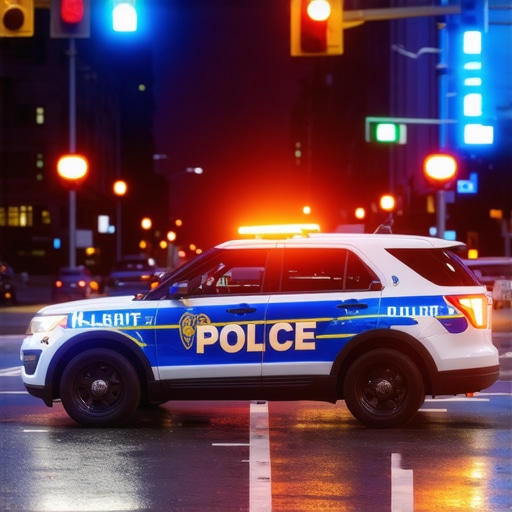
It’s fortunate that emergency responders arrived promptly and that those injured are getting the care they need. Hit-and-run incidents like this highlight how dangerous reckless driving can be, not just for the driver involved but also for others sharing the road. I wonder what measures local authorities are considering to prevent such occurrences, especially at busy intersections like North Laburnum Avenue and Harvie Road. In my experience, increased surveillance and more stringent penalties can serve as deterrents, but enforcement remains a challenge. Have any of you seen effective community-driven initiatives or technological solutions that reduce hit-and-run cases? It seems like a collective effort is necessary to improve road safety and hold reckless drivers accountable.
What stands out to me about this incident is how quickly law enforcement managed to locate and apprehend the suspect after the hit-and-run. It highlights the importance of good surveillance and community reports in solving these cases. I’ve always wondered about how technology could further aid in such situations—like the use of license plate recognition cameras or more widespread dashcam footage. Do you think increasing those kinds of technological measures could significantly cut down on hit-and-run incidents? Also, it’s interesting to see how authorities are emphasizing accountability, which I believe is crucial to deterrence. In my neighborhood, we’ve started a community watch program specifically targeting reckless driving and illegal activity. Has anyone seen similar efforts that seem effective, especially in busy intersections like the one in this story? Would love to hear more about successful community or technological solutions that make roads safer.
Reading about this incident in Henrico County made me think about the importance of technological advancements in law enforcement, especially regarding traffic safety. The swift arrest of the suspect demonstrates how effective surveillance and community reporting can be, but I wonder how much more we could improve that with widespread use of dashboard cameras or automatic license plate readers. Personally, in my city, we’ve started seeing more installations of these devices at busy intersections, which seem to be making a difference in solving hit-and-run cases fairly quickly. Do others think increased deployment of such technology could lead to a significant decrease in reckless driving and fleeing the scene? Also, I believe community awareness campaigns about the dangers and consequences might further complement these efforts. Overall, a mix of technology, community involvement, and stricter enforcement seems to be the way forward in reducing these kinds of dangerous incidents.
Reading about this incident in Henrico County really brings home how critical quick law enforcement response is in hit-and-run cases. It’s promising that authorities managed to apprehend the suspect so swiftly, which might serve as a deterrent to others considering reckless driving. From my personal experience, I’ve noticed that areas with enhanced surveillance cameras tend to see fewer hit-and-runs because drivers know they’re being watched. I’m curious whether Henrico County plans to expand surveillance at busy intersections like North Laburnum and Harvie to prevent future incidents. Also, community awareness about the serious consequences of reckless driving can play a vital role. Have local residents or other communities implemented effective tech solutions, such as license plate readers or community reporting apps? Overall, integrating technology with active community engagement seems to be a promising approach to improve road safety. What strategies have others found successful in their neighborhoods to curb these dangerous behaviors?
This incident highlights how critical rapid law enforcement response and community awareness are in hit-and-run cases. I recall reading about several cities that have started installing more license plate recognition cameras at busy intersections, which has really helped in solving such crimes quickly. The challenge, though, remains in preventing reckless driving altogether. technology like automatic speed enforcement cameras and dedicated traffic safety programs could be game-changers if implemented effectively. From personal experience volunteering in local traffic safety campaigns, I’ve seen that combining technology with community engagement tends to yield the best results. Does anyone know if Henrico County or neighboring areas are planning to expand these technological measures? Also, fostering a culture of safe driving through education might be just as important as enforcement, especially in high-traffic zones like North Laburnum and Harvie Road. What other strategies have you seen that effectively curb reckless driving and prevent hit-and-run incidents?
Reading about this incident in Henrico County highlights how important swift law enforcement action is in hit-and-run scenarios. It’s encouraging that they managed to catch the suspect quickly, which might discourage others from fleeing the scene. From my experience volunteering in community safety programs, I’ve seen that combining technology, like license plate recognition cameras, with active community reporting can be very effective. However, I wonder what additional steps could be taken to prevent reckless driving before it happens. For example, should more high-visibility enforcement or public awareness campaigns be targeted specifically at busy intersections like North Laburnum and Harvie Road? Also, how feasible is it to expand surveillance infrastructure in neighborhoods with high traffic volume? The more we can do to improve detection and accountability, the safer our roads can be. Do others have insights on successful measures that have visibly reduced hit-and-run incidents or reckless driving in their communities?
This situation in Henrico County really underscores how vital swift law enforcement response is when dealing with hit-and-run cases. The quick apprehension of the suspect is reassuring, but it also raises questions about preventive measures. For example, the deployment of license plate recognition cameras and increased surveillance at busy intersections like North Laburnum and Harvie can make a huge difference, not only in solving crimes quickly but in deterring reckless driving in the first place. In my city, after installing more surveillance and integrating community reporting apps, we’ve seen a noticeable reduction in this kind of incident. Do others think that expanding these technological solutions could possibly lead to a significant decline in hit-and-run cases? It seems that combining technology with ongoing community awareness campaigns, emphasizing the serious consequences of reckless driving, can really contribute to safer streets. What strategies have worked for others in their communities to fight this ongoing issue?
Reading about how quickly law enforcement in Henrico County responded and managed to apprehend the suspected driver after a multi-vehicle crash is indeed encouraging. It underscores the importance of rapid response combined with effective investigation techniques like surveillance footage and community reports. From personal experience volunteering in neighborhood watch programs, I’ve seen that local initiatives that involve both increased patrols and community engagement tend to be more successful in deterring reckless driving. One aspect I find particularly interesting is whether Henrico is planning to boost monitoring at high-traffic intersections such as North Laburnum and Harvie. I believe investing in more license plate recognition cameras and community reporting apps could be valuable steps forward. What are others’ thoughts on integrating technology with community efforts? Do you think these combined strategies could significantly reduce incidents like hit-and-runs in our own neighborhoods? I’d love to hear insights from those in areas where such measures have already made a difference.
This incident in Henrico County really highlights how crucial quick law enforcement response is in hit-and-run cases. The fact that the suspect was apprehended relatively fast is promising but also raises questions about how we can prevent such incidents from happening in the first place. In my community, we’ve seen some success with increased enforcement at busy intersections and investments in surveillance technology like license plate readers. I believe that combining these tech solutions with ongoing public awareness campaigns about the dangers and consequences of reckless driving can make a significant difference. It’s also interesting to consider how neighborhood watch programs and community reporting apps could play a role in identifying and deterring reckless behavior before it results in crashes. Have others seen particular strategies or technologies that have successfully reduced hit-and-run incidents in their areas? It seems like a comprehensive approach, blending technology, enforcement, and education, is probably the most effective way forward.
The quick response by Henrico County authorities is certainly commendable, and it shows how essential real-time surveillance and community involvement are in tackling hit-and-run cases. In my experience, expanding the use of license plate recognition cameras at major intersections has been quite effective not only for catching offenders but also as a strong deterrent. I wonder, though, what efforts are most effective in preventing reckless driving from happening in the first place. Programs that focus on community education and targeted enforcement seem to sometimes make a bigger impact than technology alone. Have any of you been involved in or heard of initiatives that successfully changed driver behavior in high-risk areas? I also think that combining tech advances with public awareness campaigns can amplify safety and accountability. What do others believe is the most promising approach to both solve and prevent these incidents?
Reading about this incident in Henrico County really emphasizes how vital quick intervention by law enforcement is in hit-and-run cases. The fact that they managed to apprehend the suspect so swiftly is encouraging, and I agree that it can act as a deterrent. From my experience, consistent use of surveillance cameras, especially at busy intersections like North Laburnum and Harvie, can significantly help both in solving crimes and preventing them. But I also wonder about the role of community awareness and education campaigns. How effective are local programs in changing driver behavior over the long term? Have any communities seen sustained reductions in reckless driving or hit-and-run incidents through targeted education efforts? I think a combination of advanced technology—like license plate readers—and community engagement offers the best chance at keeping our roads safer. What are some innovative ways you’ve seen to promote safe driving in your area?
This incident in Henrico County really underscores the importance of quick law enforcement response and the potential of surveillance technology in tackling hit-and-run cases. From my experience living in a nearby city, I’ve seen that expanding license plate recognition cameras and community reporting platforms can drastically improve investigation speeds and deterring reckless drivers. It provokes the question: Are more local governments investing enough in these technological solutions? Moreover, I wonder how community engagement and educational campaigns can complement these efforts to change driver behavior in the long run. Has anyone seen a community where such a combined approach successfully reduced traffic incidents? It might be worth exploring whether increased surveillance coupled with ongoing education could serve as a proactive strategy rather than just reactive enforcement. Would love to hear other insights or experiences on this matter.